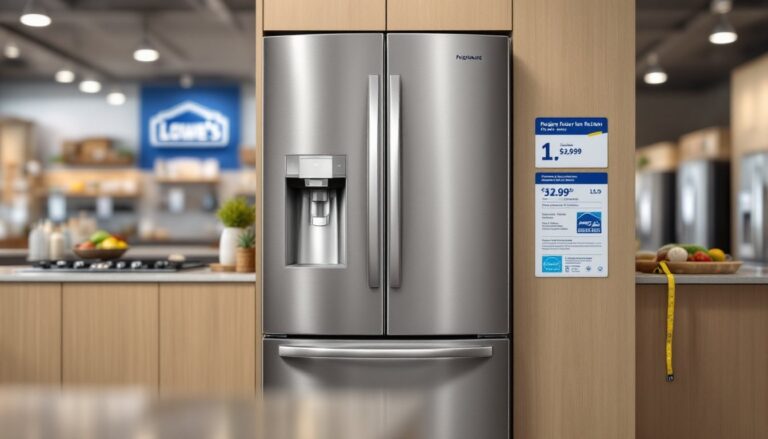
When you’re planning a kitchen renovation, the refrigerator is often the last major appliance you’ll choose, but it’s also the one that sits front and center, running 24/7 for the next 10 to 20 years. Most homeowners focus on finding a reliable, efficient model within a reasonable budget. But for those building or remodeling a high-end kitchen, the most expensive refrigerators on the market offer far more than cold storage. They’re precision instruments wrapped in premium materials, packed with technology that goes well beyond conventional cooling. Understanding what drives these luxury appliances’ price tags, and whether they’re right for your home, helps you make an informed investment that matches your kitchen goals and lifestyle.
Table of Contents
ToggleKey Takeaways
- The most expensive refrigerators range from $8,000 to over $20,000 and justify premium pricing through advanced compressor systems, precision temperature control, and European engineering standards that extend food freshness and reduce energy consumption by up to 40%.
- Luxury brands like Gaggenau, Subzero, Wolf, Miele, and Thermador invest in premium materials such as stainless steel and hand-finished details, along with individual factory testing and extended 5-7 year warranties that support long-term reliability.
- High-end features including dual or triple compressor zones, smart-home integration, inverter cooling technology, and advanced humidity control deliver measurable benefits for homeowners who cook frequently or prioritize food quality preservation.
- A luxury refrigerator makes financial sense only if you’re building a high-end kitchen, plan to stay in your home 15+ years, cook regularly, or live in hot, humid climates where advanced cooling systems genuinely extend produce life.
- Budget strategically: allocate 15-20% of your total kitchen budget to appliances, and weigh the cost against other kitchen upgrades like cabinetry and countertops that impact daily quality of life.
- Mid-range refrigerators deliver reliable performance for most households, making a luxury model unnecessary unless your cooking habits, design vision, or climate conditions specifically justify the investment.
What Makes a Refrigerator Expensive
Premium Materials and Craftsmanship
Luxury refrigerators command premium prices largely because of the materials and construction quality you won’t find in standard models. High-end brands use stainless steel, copper, and sometimes even glass or stone for exterior panels that feel more like fine furniture than kitchen appliances. The compressors and cooling systems are engineered to tighter tolerances, often with redundant components so that if one part fails, the unit keeps running without losing temperature control.
Inside, you’ll find custom wood or polished metal shelving, soft-close doors and drawers, and precisely zoned cooling chambers. Brands like Gaggenau and Thermador use European engineering standards that exceed typical appliance industry specs. These aren’t cosmetic upgrades, precision temperature control and advanced humidity management directly affect how long produce stays fresh and how efficiently the unit runs.
The craftsmanship also shows in details: hand-finished handles, custom panel integration so the fridge blends seamlessly with cabinetry, and warranty programs that cover components for 5 to 7 years. High-end luxury kitchen appliances and brands like these invest in construction methods that reduce vibration and noise, making the fridge nearly silent during operation. Labor costs for assembly and testing add to the final price, but they also mean each unit is individually inspected before leaving the factory.
Top Ultra-Luxury Refrigerator Models
Some of the most expensive refrigerators in 2026 include custom-built units from brands that don’t advertise widely but command respect in the luxury market. Gaggenau offers models starting at $8,000 to $15,000, with custom stainless steel or panel-ready options that integrate directly into your cabinetry. Their built-in refrigeration systems use inverter compressors that adjust cooling output in real time, reducing energy waste while maintaining exact temperatures.
Subzero and Wolf, sister brands owned by the same company, produce ultra-premium refrigerators ranging from $6,000 to $12,000. Their signature glass doors let you see inside without opening, and models with built-in ice and water dispensers feature filtration systems that use multiple stages of purification.
At the absolute top end, bespoke refrigeration units from European manufacturers, often custom-built to match your kitchen’s exact dimensions and design, can exceed $20,000. These are semi-custom projects where you work directly with a designer or kitchen specialist to specify everything from exterior finish to interior layout.
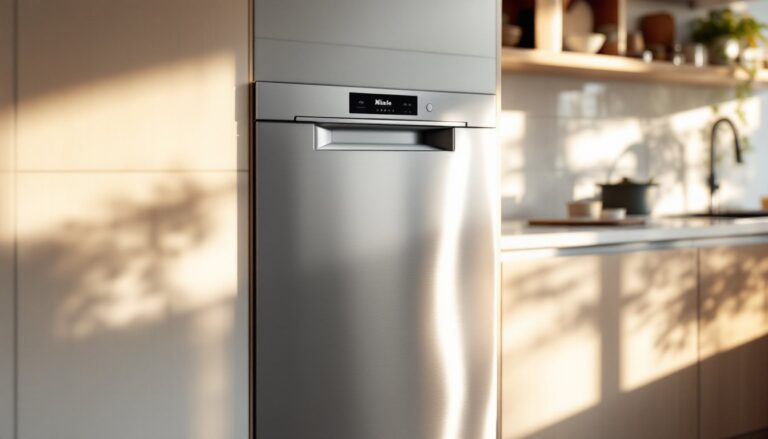
Mach & Co., Miele, and Thermador also compete in this space with models ranging $7,000 to $18,000, each emphasizing different strengths: Miele focuses on reliability and German engineering, Thermador highlights restaurant-grade cooling power, and Mach & Co. offers ultra-modern designs with touch controls and integrated smart-home compatibility.
High-End Features That Justify the Price Tag
Beyond the materials, luxury refrigerators pack features that fundamentally change how you store and access food. Dual or triple compressor systems mean different zones maintain separate temperatures, produce stays at 35°F while wine stays at 55°F and frozen items sit at 0°F, all in the same appliance. This precision keeps fresh herbs crisp for three weeks instead of five days.
Inverter compressor technology adjusts cooling intensity based on real-time internal and external temperatures, reducing energy consumption by up to 40% compared to traditional models that cycle on and off. Over a 15-year lifespan, this efficiency can offset some of the purchase premium through lower utility bills.
Smart-home integration is now standard on most ultra-premium models. You can check interior temperatures and humidity levels via smartphone, receive alerts if the door is left open, and some models integrate with kitchen management systems that track grocery inventory and suggest recipes based on what’s inside.
Glass doors and LED interior lighting aren’t purely cosmetic, they reduce the need to open the fridge while browsing, keeping cold air from escaping and reducing thermal stress on contents. Soft-close mechanisms on all drawers and shelves prevent slamming and distribute weight evenly, extending the lifespan of components.
Advanced humidity control with adjustable crisper drawers lets you dial in moisture levels for different produce types. Noise levels on high-end units often measure below 38 decibels, quieter than a typical conversation, because the compressor, fans, and insulation are engineered to minimize vibration and sound transmission into the kitchen.
Many luxury models also feature integrated ice and water dispensers with multi-stage filtration, eliminating the need for a separate under-counter system. Some include convertible compartments that shift between refrigeration and freezing based on your seasonal needs.
Should You Invest in a Luxury Refrigerator
A luxury refrigerator makes sense if several conditions align. If you’re building or deeply renovating a high-end kitchen and the fridge will be a visual focal point, the quality of materials and custom integration become part of the overall design investment. If you cook frequently, entertain regularly, or value food quality enough to notice the difference between a standard crisper and a precision-humidity system, you’ll notice the performance gains.
Longevity is another factor. Premium brands typically carry longer warranties and have better parts availability 10+ years after purchase. A $10,000 refrigerator that lasts 20 years costs $500 per year: a $3,000 standard model lasting 12 years costs $250 per year. The difference narrows when you factor lifespan and repair costs. But, if you move frequently or plan to remodel your kitchen in 5 years, luxury doesn’t pay off, a mid-range appliance makes more sense.
Consider also your region and climate. In hot, humid environments, the advanced compressor systems and humidity control genuinely extend food life and reduce mold. In temperate climates, these features matter less. Review smart home product comparisons to compare smart-home capabilities if that’s important to you.
Budget honestly. Luxury refrigerators rarely go on sale: prices stay stable year-round. If you’re financing a kitchen project, a high-end fridge can strain the overall budget, leaving less for countertops, cabinetry, or other upgrades that influence daily quality of life. Some kitchen designers recommend spending 15-20% of your total kitchen budget on appliances: a $50,000 kitchen can support a $7,500-$10,000 fridge, but a $30,000 kitchen might be better served by a $4,000-$5,000 model plus extra budget for other essentials.
Consult kitchen design resources or work with a kitchen designer who can show you how different appliance options balance with your overall vision and timeline. The most expensive refrigerator isn’t always the best choice, the right choice is the one that fits your actual cooking habits, kitchen design, and long-term plans.
Conclusion
The most expensive refrigerators in 2026 represent a convergence of precision engineering, premium materials, and thoughtful design. They’re not gimmicks, precision temperature control, inverter compressor technology, and smart-home integration deliver measurable benefits for homeowners who cook seriously or prioritize food quality. But they’re also not essential. A well-chosen mid-range refrigerator runs reliably and keeps food fresh for most households. The decision rests on your kitchen goals, budget, and how central food storage and quality are to your daily life.