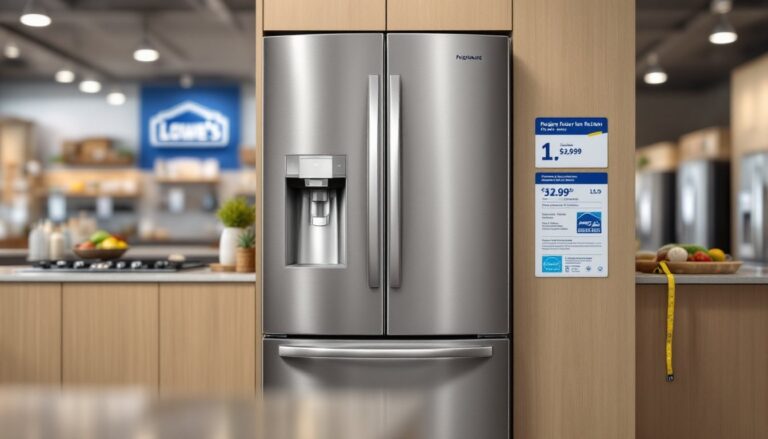
A stainless steel refrigerator is more than an appliance, it’s the visual anchor of a modern kitchen. LG stainless steel refrigerators have earned a solid reputation for combining sleek aesthetics with reliable performance, and 2026 models bring even more refinement to the table. Whether you’re renovating a kitchen from scratch or upgrading an aging fridge, understanding what makes LG units tick helps you pick the right fit for your space and budget. This guide covers the features worth paying for, real maintenance requirements, and how to size a unit that doesn’t leave your kitchen cramped or undersized.
Table of Contents
ToggleKey Takeaways
- LG stainless steel refrigerators combine sleek aesthetics with robust build quality, strong parts availability, and cooling technology that keeps food fresher longer.
- Inverter compressor technology and Linear Cooling systems in modern LG models deliver quieter operation, lower energy bills, and more even temperature distribution than older designs.
- Counter-depth LG refrigerators (around 24 inches deep) provide a seamless, built-in kitchen aesthetic, though they sacrifice 5–8 cubic feet of storage compared to standard-depth models.
- PrintProof stainless steel finish resists fingerprints and smudges more effectively, making it a worthwhile upgrade for households with kids or heavy kitchen traffic.
- Regular maintenance—including annual coil cleaning, biennial gasket inspections, and filter replacements every 6–12 months—keeps your LG refrigerator performing optimally and extends its lifespan.
- French Door configurations (typically 24–29 cubic feet) are ideal for families of 4–6, while Side-by-Side and Top Freezer models suit smaller households or apartment living.
Why LG Stainless Steel Refrigerators Stand Out
LG stainless steel refrigerators earn respect in the DIY and homeowner community for a few solid reasons. First, the build quality is genuinely robust, the cabinet construction handles temperature swings without warping, and the stainless steel finish resists fingerprints better than many competitors at the same price point. Second, LG invests heavily in cooling technology, so your food actually stays fresher longer, not just theoretically. Third, parts availability is strong: finding a replacement compressor or door seal for a 5-year-old LG is easier than hunting for obscure European brand components at 2 a.m. on a Sunday.
The stainless steel exterior also ages well. Unlike some finishes that look dingy after three years, brushed stainless steel develops a patina that reads as intentional rather than neglected. It works with traditional kitchens, modern minimalist spaces, and farmhouse renovations, a rare flexibility in appliance design. If you’re considering a kitchen overhaul, that versatility matters. Most homeowners don’t replace a fridge every five years, so choosing something that won’t look dated in a decade is smart planning.
Key Features and Technology to Look For
When shopping for an LG stainless steel refrigerator, focus on what actually impacts daily use. Ice-maker reliability, water-dispenser function, and shelf flexibility matter far more than a touchscreen that displays the weather.
Inverter Compressor Technology is worth understanding. Unlike older models that run at full blast then shut off completely, an inverter compressor adjusts its speed based on cooling demand. The result: quieter operation, less temperature fluctuation, and lower energy bills. Most LG models 2024 and newer use this, so compare the EnergyGuide label to confirm annual operating costs, you’ll see the difference stack up over 10+ years of ownership.
Adjustable shelving and door bins sound basic until you’re stuck with a milk carton that won’t fit on a fixed shelf. LG typically offers split-level glass shelves that you can customize, which translates to real-world flexibility when storing grocery hauls or bulk items.
Temperature zones are increasingly common. Some units feature separate controls for the fridge and freezer sections, so you can run the fridge colder for fresh produce without over-freezing meat. It’s not essential, but it’s genuinely useful if you store a lot of fresh herbs, berries, or deli items.
Smart Cooling Systems and Food Preservation
LG’s Linear Cooling and Multi-Air Flow systems work to maintain consistent temperatures throughout the fridge. Traditional models create hot spots near the door and cold spots in the back: these systems distribute air more evenly. It sounds minor, but uneven cooling is a leading cause of premature vegetable spoilage and frozen-then-thawed meat texture problems.
Door-in-Door storage is an LG signature feature. An external compartment on the door lets you grab frequently used items (juice, condiments, leftovers) without opening the main fridge and losing cold air. It sounds gimmicky until you realize you’re cutting door-open time by 30%, which preserves overall temperature stability and saves energy.
The Crisper drawers with humidity control deserve attention too. You manually adjust humidity levels to keep leafy greens crisp or apples firm. It’s a small detail that meaningfully extends the life of produce before it wilts. Many competitors include these, but LG’s implementation is straightforward without unnecessary electronics that fail.
Design and Aesthetic Appeal for Modern Kitchens
Stainless steel is the neutral choice for kitchen design, it doesn’t fight with wood cabinetry, it complements white subway tiles, and it looks sharp against dark countertops. LG stainless steel finishes come in a couple of variations: standard brushed (most common) and PrintProof finish, which resists fingerprints and smudging more aggressively. If you have kids or frequent kitchen traffic, the PrintProof upgrade is worth the cost bump.
Depth matters for aesthetics. Standard refrigerators are typically 35.75 inches deep (the actual, measured depth, slightly less than the nominal 36 inches listed). If your cabinets run 24 inches deep, a standard-depth fridge will stick out 11+ inches. Counter-depth models measure around 24 inches deep, fitting flush with countertops for a seamless, built-in look. They hold slightly less (usually 20–24 cubic feet vs. 25–29 for standard-depth), so match the footprint to your kitchen layout and storage needs.
Handle and hardware finish should coordinate with your faucet and other appliances. LG offers stainless steel handles on all models, but some include bar handles while others use recessed pulls. Walk through a showroom or check user photos on Houzz to see how these finishes read in actual kitchens before committing. Cabinet depth, lighting, and wall color all shift how an appliance photographs versus how it looks in person.
Maintenance Tips to Keep Your Refrigerator Looking New
Stainless steel shows fingerprints, water spots, and dust, not because LG’s finish is inferior, but because that’s the nature of the material. Routine care keeps it looking showroom-fresh.
Cleaning the exterior requires just a microfiber cloth and either plain water or a 50/50 mix of white vinegar and water. Wipe in the direction of the grain, not against it, to avoid leaving visible streaks. For stubborn smudges, a stainless steel cleaner like Bar Keeper’s Friend (a powder abrasive) works well, sprinkle lightly, dampen, scrub gently with the grain, and rinse. Avoid generic window cleaner or harsh solvents: they can dull the finish over time.
Interior coil cleaning happens yearly, ideally. The condenser coils live behind the kickplate at the bottom front or on the back panel. Dust accumulation forces the compressor to work harder, shortening lifespan and spiking energy use. Pop off the kickplate (usually two screws or a snap-fit), vacuum the coils with a brush attachment, and reinstall. Takes 10 minutes and makes a real difference.
Door seals (gaskets) keep cold air in. If they develop cracks or don’t seal tight (you’ll notice the fridge working overtime or temperature creeping up), replacement is straightforward, they unclip and snap back in, no tools needed. LG replacement seals run $30–80 depending on the model. Inspect them every couple of years, especially if you have kids slamming the door regularly.
Water filters in icemakers and dispensers need replacement every 6 months to 1 year, depending on water quality and use. A clogged filter starves the system and forces the icemaker to work harder. Check the manufacturer’s schedule and set a calendar reminder.
Sizing and Configuration Options
Measure before you buy. Refrigerators come in three main configurations: French Door, Side-by-Side, and Top Freezer. Each affects kitchen workflow and family habits differently.
French Door models (two doors on top, freezer drawer below) are the current standard. They’re widest, so ensure your kitchen opening can accommodate 29–36 inches of width. The narrow-door design reduces air loss when you reach in, and the freezer drawer below eye level means less bending for frequent items. Capacity typically runs 24–29 cubic feet, adequate for families of 4–6 and entertaining.
Side-by-Side models divide fridge and freezer vertically. They’re often 35–36 inches wide but shallower than French Door units. If your kitchen is narrow, side-by-side fits tighter, though the narrower shelves limit large platters or sheet pans. Capacity is similar, but usable shelf space feels tighter. Top side-by-side refrigerators reviewed by Good Housekeeping show LG competing well in performance and reliability.
Top Freezer models are smallest, typically 28–32 inches wide and 24–25 cubic feet. They work for small households, apartments, or as secondary units in basements. They’re also the cheapest entry point into LG stainless steel, usually $600–900 new.
Cubic footage is misleading. A 25 cubic-foot unit is not 25% smaller than a 30 cubic-foot, the actual usable space depends on shelf layout, drawer depth, and door bin size. If you regularly stock large quantities or host dinner parties, aim for 27+ cubic feet. For couples or small families, 22–24 cubic feet suffices. Kitchen design resources like The Kitchn offer sizing calculators and layout advice if you’re uncertain.
Wheel out your old fridge before the new one arrives. Measure doorways, hallways, and any tight turns en route to the kitchen, an appliance that barely fits through the house leaves zero margin for error. Delivery crews are skilled, but they appreciate customers who’ve already confirmed the path.
Conclusion
An LG stainless steel refrigerator is a long-term investment that handles daily abuse and looks sharp while doing it. The brand’s focus on cooling efficiency, parts availability, and design flexibility makes it a solid pick for homeowners who want an appliance that actually performs. Measure your space, choose the right size and configuration for your household, budget for maintenance, and you’ll have a reliable fridge that doesn’t demand apologies when guests walk into your kitchen. That’s the mark of a well-chosen appliance.