Your bedroom walls are prime real estate, they set the mood, anchor the design, and frankly, get neglected more often than any other surface in the home. Whether you’re staring at builder beige or just tired of the same four walls, bedroom wall decor doesn’t have to mean hiring a designer or spending thousands. The right combination of paint, textures, art, and functional pieces can completely reframe your space and make it feel intentional. This guide covers practical bedroom wall ideas and wall decor for bedroom spaces, from accent wall techniques and textured finishes to gallery displays and DIY projects that won’t derail your weekend.
Table of Contents
ToggleKey Takeaways
- Paint and color are the fastest, cheapest transformations for bedroom wall decor; test samples under natural and artificial light before committing to a color.
- An accent wall behind the bed or the first wall you see creates visual impact without overwhelming the space.
- Gallery walls require planning—lay frames on the floor first, mix frame styles, and maintain 2–3 inches between frames for a polished, balanced look.
- Floating shelves and functional wall storage blur the line between decor and utility, but must be anchored to wall studs with proper hardware rated for weight.
- Soft, layered lighting (wall sconces, picture lights, LED strips) enhances how bedroom wall decor reads and supports better sleep with warmer color temperatures (2700K–3000K).
- DIY projects like shiplap, accent stripes, and removable decals let you personalize your space affordably without professional installation or long-term commitment.
Paint and Color Schemes for a Stunning Accent Wall
Paint is the fastest, cheapest transformation you can make. Before you pick a color, spend time living with samples on your walls, natural light changes everything, and what looks rich in the paint store can feel muddy at 9 p.m. under recessed lights.
For a classic bedroom wall approach, soft neutrals (warm grays, creams, taupe) create calm without feeling sterile. Cool grays work beautifully if you have cool-toned lighting: warm grays pair better with warmer bulbs. If you want to introduce color, muted greens, dusty blues, and warm terracottas are trending and forgiving, they read sophisticated rather than childish. An accent wall draws focus without overwhelming. Pick the wall you see first when you enter, or the wall behind your bed. Apply two coats of quality paint (Benjamin Moore, Sherwin-Williams, and Behr are industry standards) over a primer coat for true coverage and longevity. Expect one gallon to cover roughly 350–400 square feet with two coats. Use painter’s tape along trim and ceiling, and work in natural light when possible to catch missed spots. Paint within 24 hours of taping for cleanest lines: remove tape while paint is still tacky to avoid peeling finish.
Wallpaper and Textured Wall Coverings
Wallpaper has shed its fussy reputation. Peel-and-stick removable options work for renters, while traditional paper or non-woven wallpaper gives a more permanent, polished finish. Modern designs range from subtle textures to bold geometric prints, most bedroom wall decor enthusiasts choose patterns that complement rather than dominate, since you’ll be looking at them from bed.
Textured coverings like grasscloth, linen-look non-woven, or embossed finishes add depth without pattern. They hide minor wall imperfections better than paint and feel tactile. Apply wallpaper over a clean, primed surface: walls must be smooth enough to accept adhesive evenly. For seams to vanish, hang paper vertically and overlap slightly, then cut through both layers with a sharp utility knife, this ensures pattern alignment. Expect 1 roll (typically 36 square feet) per 45–50 square feet of wall. If you’re new to it, peel-and-stick versions eliminate the learning curve and let you experiment without commitment. Sources like House Beautiful regularly feature updated bedroom wall decor inspiration and pattern guides to help you narrow choices.
Wall Art and Gallery Displays
Gallery walls are a cornerstone of modern bedroom wall ideas. The key to a polished look is planning, lay frames on the floor first, take a photo, and use that as your guide before drilling. Mix frame styles (wood, metal, minimalist) and mats for visual interest. Leave 2–3 inches between frames for breathing room: too tight and it reads cluttered: too spread out and it loses impact.
Choose art that resonates with you, prints, photographs, textiles, or mixed media. Hung at eye level (roughly 57–60 inches from the floor to the center of art) feels instinctive and balanced. For a large accent, a single oversized piece or triptych can anchor the wall without demanding symmetry. If you’re hanging heavy frames (glass, wood, larger than 20 × 24 inches), locate wall studs with a stud finder and use wood screws and anchors rated for the weight. Drywall alone won’t hold significant weight reliably. Light to medium pieces (under 15 pounds) use toggle bolts or heavy-duty drywall anchors. Always double-check weight ratings, a falling frame is both expensive and hazardous. Unique wall decor for living room and bedroom spaces often draws from art that tells a personal story, whether that’s travel photography, botanical prints, or abstract work you’ve collected over time.
Functional and Decorative Wall Storage
Floating shelves, wall-mounted cabinets, and pegboards blur the line between decor and utility, they’re smart moves if you lack closet or nightstand space. Shelves take most bedrooms from cluttered to curated when styled thoughtfully. Style them with a mix: books standing upright, a small plant, a framed photo, and negative space. Avoid filling every inch: breathing room makes display feel intentional rather than hoardy.
For installation, locate wall studs (typically 16 inches on center) using a stud finder. If studs don’t align with your desired shelf placement, use heavy-duty toggle bolts or expansion anchors rated for your shelf’s weight plus contents (aim for anchors rated 50+ pounds for safety margin). Shelves wider than 36 inches or holding heavy items (books, decor) need support at both ends and ideally a center bracket. A shallow floating shelf (6–8 inches deep) suits bedside display: deeper shelves (10–12 inches) work if you’re storing books or larger items. Pegboards offer flexibility since you can reposition hooks and shelves as needs change, they’re excellent for bedroom wall ideas focused on adapting over time. Paint pegboards to match your walls for seamless integration or use them as an accent in a contrasting color.
Lighting as a Decor Element
Lighting shapes how bedroom wall decor reads. Soft, layered lighting (overhead fixture, bedside reading lamp, wall sconces) is more forgiving than a single harsh ceiling fixture. Wall sconces flanking the bed or above a desk serve dual purpose: they’re functional reading lights and visual anchors that frame wall art or a headboard.
Installing sconces requires routing power from an existing outlet or junction box, this is often best left to a licensed electrician unless you’re comfortable with electrical work. Check local codes: most jurisdictions require any new circuits or outlet modifications to meet NEC (National Electrical Code) standards. If you want decor without rewiring, picture lights (slim fixtures that mount directly above a frame and cast light downward) are removable and plug into standard outlets. LED strip lighting behind floating shelves or around a headboard adds ambient warmth without eating wall space, these are easier to install (peel-and-stick backing adheres to clean drywall) and work on standard outlets. String lights, hanging lanterns, or pendant fixtures can soften overhead light and add character. Consider color temperature: warmer bulbs (2700K–3000K) feel cozy and support sleep: cooler bulbs (4000K+) are better for task areas like a reading nook.
DIY Wall Projects for Personalized Touches
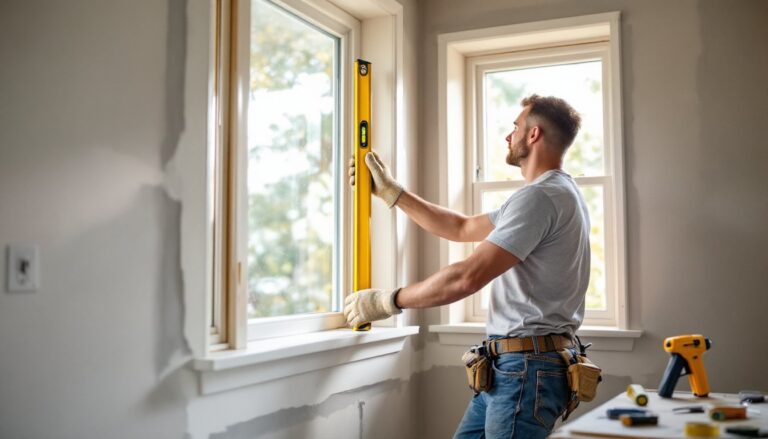
Shiplap, accent stripes, and geometric patterns elevate bedroom wall ideas from simple paint to bespoke decor. Shiplap (or shiplap-look paint) adds texture and farmhouse charm. Real shiplap planks install over a vapor barrier and furring strips, but faux finishes (paint technique or peel-and-stick panels) deliver the look without structural work. If installing real shiplap, ensure walls are dry and flat: use a level and stud finder to keep rows straight, spacing planks 1/4 inch apart for wood movement. Secure with 2.5-inch finishing nails or trim screws into studs. Paint after installation for a cohesive finish.
Accent wall stripes work with painter’s tape and two colors. Measure wall height and divide into equal stripe widths: chalk lines prevent tape misalignment. Tape off stripes, prime if changing dramatically (e.g., dark to light), then paint. Resources like Young House Love document step-by-step DIY projects and budget bedroom wall transformations that demystify these techniques. Geometric wall decals (removable vinyl) let you experiment without commitment, perfect for testing bold patterns before committing to paint. Hanging textiles (tapestries, macramé) add warmth and softness: mount with removable adhesive strips if renting, or picture hangers if you own. These DIY touches feel personal and won’t blow your budget.
Conclusion
Bedroom wall decor transforms a blank canvas into a reflection of your taste and life. Start with one element, paint, a gallery wall, or floating shelves, and build from there. Measure twice, prep surfaces properly, and don’t rush installation: most failures stem from skipped steps, not lack of taste. Whether you’re painting an elegant living room wall decor scheme or hanging unique wall decor for a personal retreat, the fundamentals remain: plan, prepare, and execute with patience. Your walls will thank you.