
Imagine a stormy night. The wind howls outside, rain lashes against the windows, and suddenly, the lights flicker and go out. But wait. Your trusty whole home generator kicks in, saving you from the chaos. Yet, just like your car, your generator needs some TLC to keep it running smoothly. Regular maintenance isn’t just a good idea: it’s essential. Today, we’ll investigate into why maintaining your generator matters and how to do it effectively without turning your living room into a workshop. So grab your toolbelt, or at least your to-do list, because we’re about to power through generator maintenance.
Importance Of Regular Maintenance
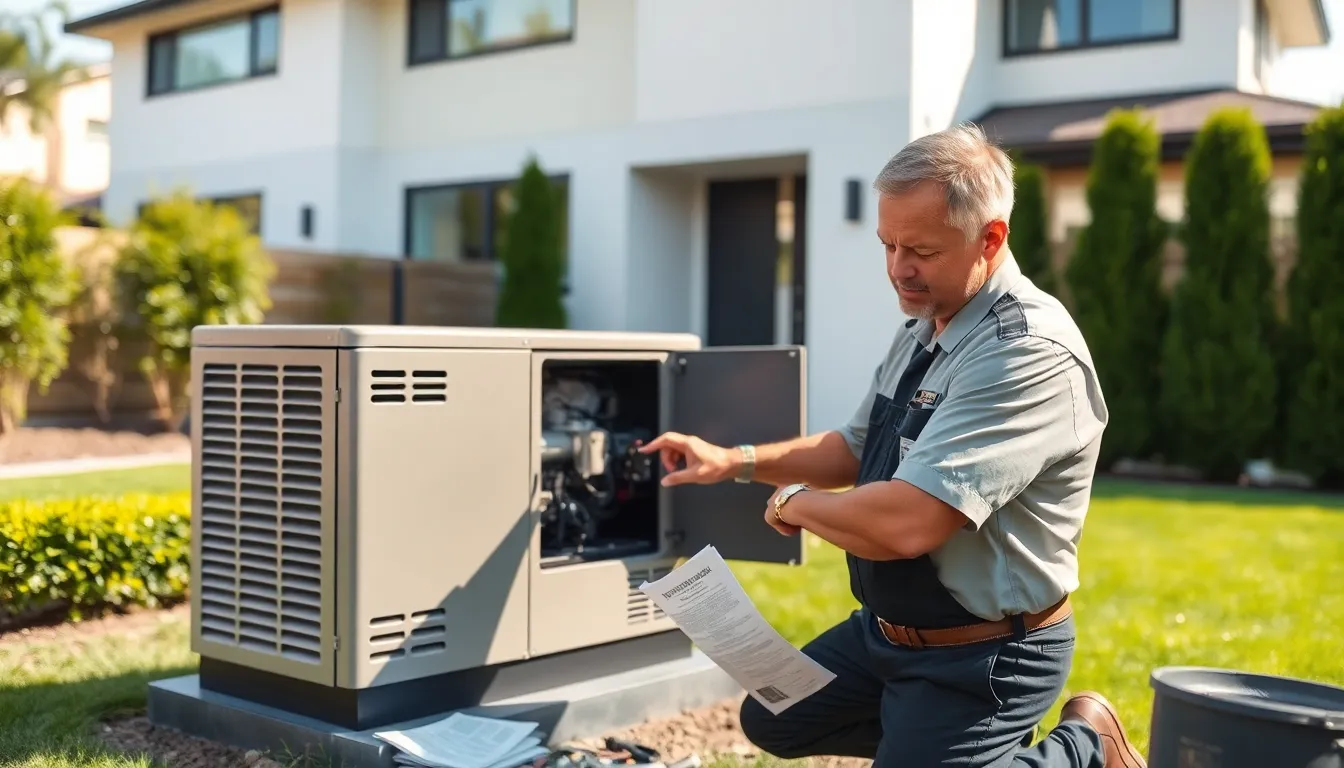
Why is regular maintenance crucial for your whole home generator? Well, think of it this way: your generator is the unsung hero during power outages. If it fails, that hero may be wearing flip-flops when the storm hits. Consistent maintenance not only extends the life of the generator but also ensures its reliability when you need it most. This vital upkeep helps prevent breakdowns at the worst possible time, like when you’re trying to make a cup of coffee during a blackout.
Also, regular check-ups can enhance efficiency, keeping energy costs down. A well-maintained generator operates smoothly, which translates into better fuel efficiency. Plus, it can prevent small issues from ballooning into larger, costlier problems. In other words, saving a few bucks on maintenance now can save hundreds, even thousands, in potential repairs later.
Key Components That Require Attention
Generators have various components that must be kept in check. Knowing these parts can aid in effective maintenance. Here are the key players needing your attention:
- Oil Filters: These are critical. Regularly changing the oil and filters helps keep the engine clean and functioning optimally.
- Air Filters: A clogged air filter can lead to performance issues. Replacing this regularly ensures the engine breathes easily.
- Spark Plugs: If these get dirty or worn out, it can hinder starting and overall performance. Inspect them during your maintenance routine.
- Fuel System: From the tank to the carburetor, ensuring the fuel system is clean prevents engine issues. Consider adding a fuel stabilizer to prolong the life of stored fuel.
- Battery: The heart of your generator needs love too. Check connections and battery fluid levels consistently.
Keeping an eye on these components keeps the generator happy and ready to work when you are.
Step-By-Step Maintenance Checklist
To make life easier, and to avoid unnecessary stress, creating a maintenance checklist is vital. Here’s a simple step-by-step guide to keep your generator in prime shape:
- Monthly Tasks:
- Inspect the battery for corrosion at terminals.
- Check the oil level and top it off if needed.
- Start the generator and let it run for a few minutes.
- Quarterly Tasks:
- Change the oil and replace oil filters.
- Inspect air filters and replace them if dirty.
- Look for any fuel leaks or cracks in fuel lines.
- Test the transfer switch to ensure it operates correctly.
- Yearly Tasks:
- Replace spark plugs.
- Have a professional inspect and test the entire system for potential issues you might overlook.
- Clean the generator exterior to prevent dirt buildup and rust.
Common Maintenance Issues and Solutions
Every machine encounters its fair share of hiccups. Here are some common generator maintenance issues and practical solutions:
- Starting Problems: If your generator doesn’t start, it may be time for a new battery or spark plugs.
- Overheating: A clogged air filter or low oil can lead to overheating. Check and replace filters as needed, and ensure oil levels are adequate.
- Fuel Issues: If the generator runs poorly, it may be due to stale fuel. Regularly changing filters and using fuel stabilizers can prevent this.
- Noise Levels: Unusual noises can indicate loose parts or mechanical issues. Inspect all components visually and tighten anything that seems loose.
When To Hire a Professional
While many maintenance tasks are straightforward, some situations call for professional assistance. Here’s when to consider hiring an expert:
- Complicated Electrical Work: Any tasks that involve internal wiring or major electrical components are best left to professionals.
- Persistent Issues: If problems persist even though thorough maintenance, an experienced technician can diagnose and fix complex issues.
- Annual Maintenance: An expert can provide a comprehensive inspection that covers all the bases. Regular professional check-ups can often detect wear and tear before they end up costing more.